
Category: Uncategorized
-
Belly Breathing

In Chinese Qigong practices, there are 2 basic methods for contracting the abdomen to deepen the breath. First of all, it is helpful to keep the throat free of constrictions. In the diversity of breath training, such as Pranayama from India, sometimes the throat or other parts of the body are ‘locked’ to force air…
-
Clearing Sinuses and Central Channels

Where the mundane meets the Cosmos Many people experience sinus congestion to different degrees. It appears to be a design flaw in our human species, and is worsening with climate change. Treatments with medications often have complications (sedation), or very low compliance with the overflow effect on sleep apnea (sinus rinsing is a tough sell…
-
Using the Pulse in Qigong
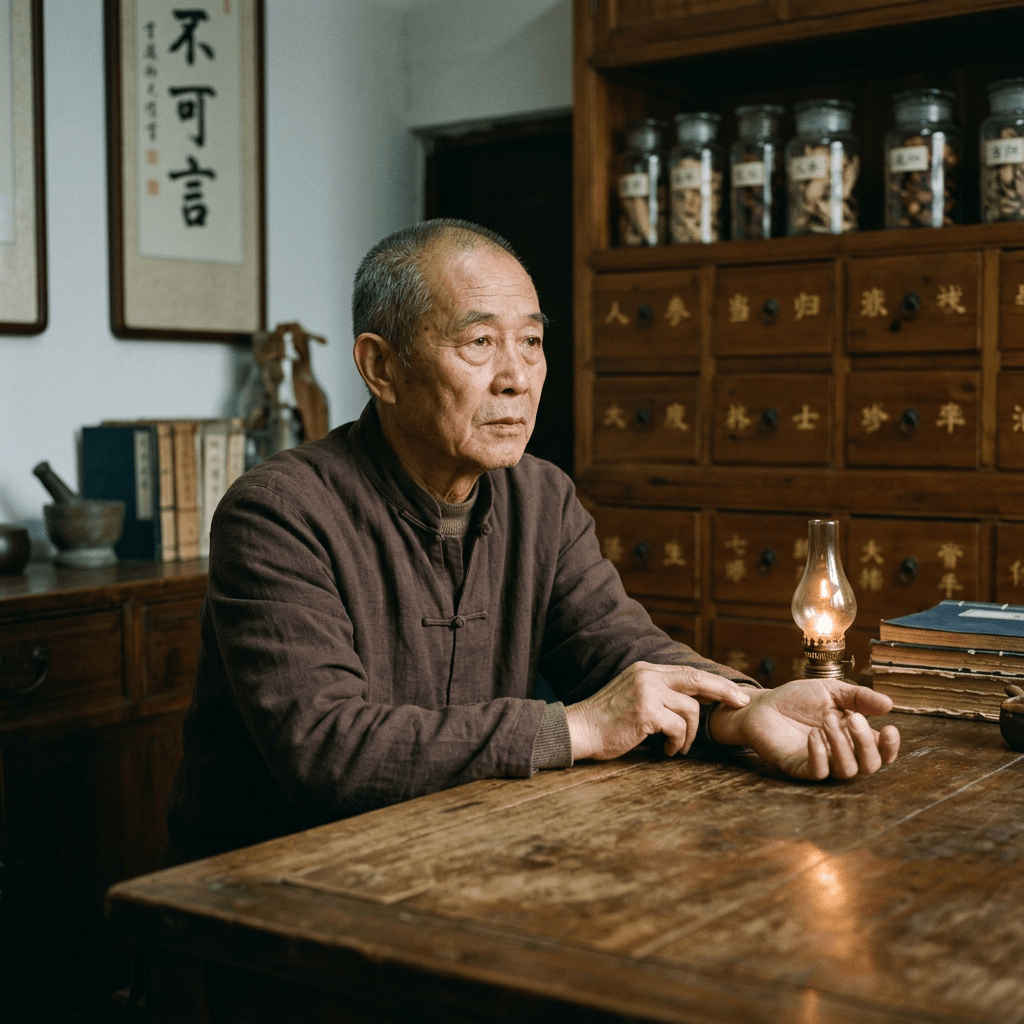
Subtle Self-Assessment tools to measure your own progress As an acupuncturist, I use the radial wrist pulse at the start of every assessment. It is like a handshake, an initial move into the energy field of another. Using this type of pulse diagnosis on oneself may help monitor and understand one’s energy dynamics. James Nestor…
-
Mental Attitude

‘How you do something is how you do anything’ Before we talk about Qi and even breathing, we need to check our attitude. “Live without expectations: only love,” was a memorable phrase that the Turtle Qigong teacher Wang Zhe-Zhong said at one of his first talks to us, an eager group of foreign students in…
-
Strong Roots for Health

What influences health the most? When scientists ponder this, they arrange it in order of importance, based on the amount of time most people typically engage each area for health: We will start at the bottom of this list and work our way up. EXERCISE All of this website is dedicated to a type of…
-
The Ear in Qigong

Using the ear is an example of how even a 2-inch part of the body can be put to good use for healing. Western bodywork has something it calls ‘reflexology,’ such as what was called ‘nerve reflexes’ for the feet. This is based on an ancient and profound Chinese concept that each part reflects the…
-
What is Qi?
The term Qi–pronounced ‘Chee’–in Qigong, is loosely translated in English as ‘Energy.’ This is sufficient for a general understanding of Qigong. At a deeper level, Energy is a very specific term in Physics. One of its hallmarks is that it diminishes over space. Research was done on long-distance transmission of Qi in the United States…
-
Science & Qigong
Scientific research is enormously positive on Qigong. A great website to peruse is the Qigong Institute. This free resource was the brainchild of a scientific researcher who took up the practice of Qigong. You can scroll down the home page to find interesting research portals, such as Harvard Medical School. Or click the research tab…
-
Mental Health & Chinese Medicine
Psychology and Psychiatry struggle for respect in the West. They are seen as less relevant and definitive as other professions and sciences. However the need for them has grown rapidly. This is seen even in the bastions of rationalist thought, our medical schools and halls of medicine. The statistics on student and clinician burnout are…
-
Forms and Formlessness

Why do the same form every day? Could we relax into some type of liberation without all that fuss and bother? Answer: The point of doing a Qigong form is to enter a state of formlessness. Hallmarks of this may include losing a sense of time or space, forgetting oneself, or experiencing a wave of…

